Every winter, the question "Is heating affordable?" becomes a top concern for households. Recently, many have asked in our inbox: Online sources claim biomass pellet stoves save money—just how much do they save compared to electric heating? Today, we'll cut through the marketing fluff and break down the real numbers.
1. First, understand where the money goes: The two heating methods
electric heatingThe core principle behind air conditioners, electric heaters, and electric boilers is "heat transfer"—they use electricity to drive a heat pump or generate heat via resistance. Even if a heat pump achieves a coefficient of performance (COP) of 2~3, meaning it moves 2~3 times the heat energy from just 1 kWh of electricity, you're still billed per actual kilowatt-hour consumed.
One set100㎡ standalone houseFor example, during winter, heating equipment operates continuously at medium-to-high power levels. Industry experience indicates an average daily electricity consumption of approximately50–80°. At residential electricity rates0.5~0.6 yuan/kWhEstimate: Daily electricity cost ≈ 25~48 CNY; one heating season (≈ 120 days) ≈3000~5700 CNY。
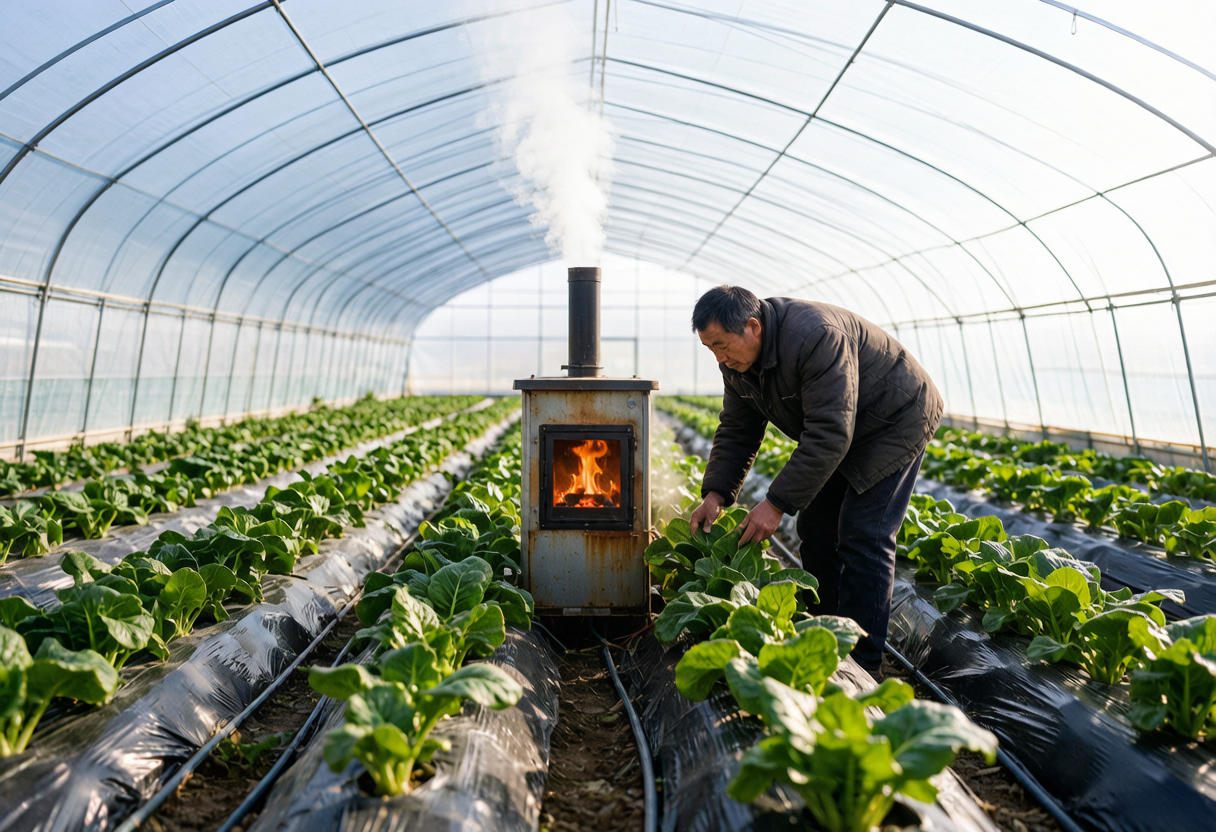
Biomass pellet stoveBurns pellets made from agricultural and forestry waste, generating heat directly by fully combusting the fuel. Maximum thermal efficiency reaches85%(National Level 1 Energy Efficiency Standard). Its cost breakdown is: fuel approximately300 CNY/ton, approximately per heating season2 tons→ Fuel cost approx.600 yuan;Device operating power<100WCosts only a few cents per day for air blowers and temperature control. Total cost for one winter:Approximately 600~800 yuan。
II. The Numbers Are In: How Big Is the Gap?
Project | Electric Heating (100 sqm/season) | Biomass pellet stove (100 sqm/season) |
|---|---|---|
Energy Fee | 3000~5700 yuan | Approximately 600~800 yuan |
Daily Cost | 25~48 yuan | 5~7 yuan |
Relative Ratio | Baseline | approximately that of electric heating1/5~1/7 |
In other words, for the same heating performance, you can save money over one winter.2000~5000 CNYThe money saved is enough to buy half a new stove.
Note: The figures above represent a typical scenario. Actual costs may vary based on home insulation, local climate, and electricity pricing policies. This information is for decision-making reference only.
3. Why Are Pellet Stoves So Energy Efficient?
The core lies inEnergy Unit PriceElectricity is a "secondary energy" source, with prices increasing at every stage from generation to household delivery. In contrast, biomass pellet feedstock consists of straw, sawdust, and rice husks—agricultural waste products that, once compressed, offer high energy density and low cost. A common comparison in sales pitches: electric heating operations typically cost around0.5~0.6 yuan/kWh, while biomass heating converts to an equivalent heat value of only approximately0.32 yuanabout half the electricity.
The pellet stove's inherent thermal efficiency and smart temperature control—featuring three operation modes (mobile app, touch screen, remote), precise PID dosing, and no dry burning—deliver fuel utilization far superior to traditional stoves.
4. Fangran Smart Pellet Stove: Making "Savings" a System
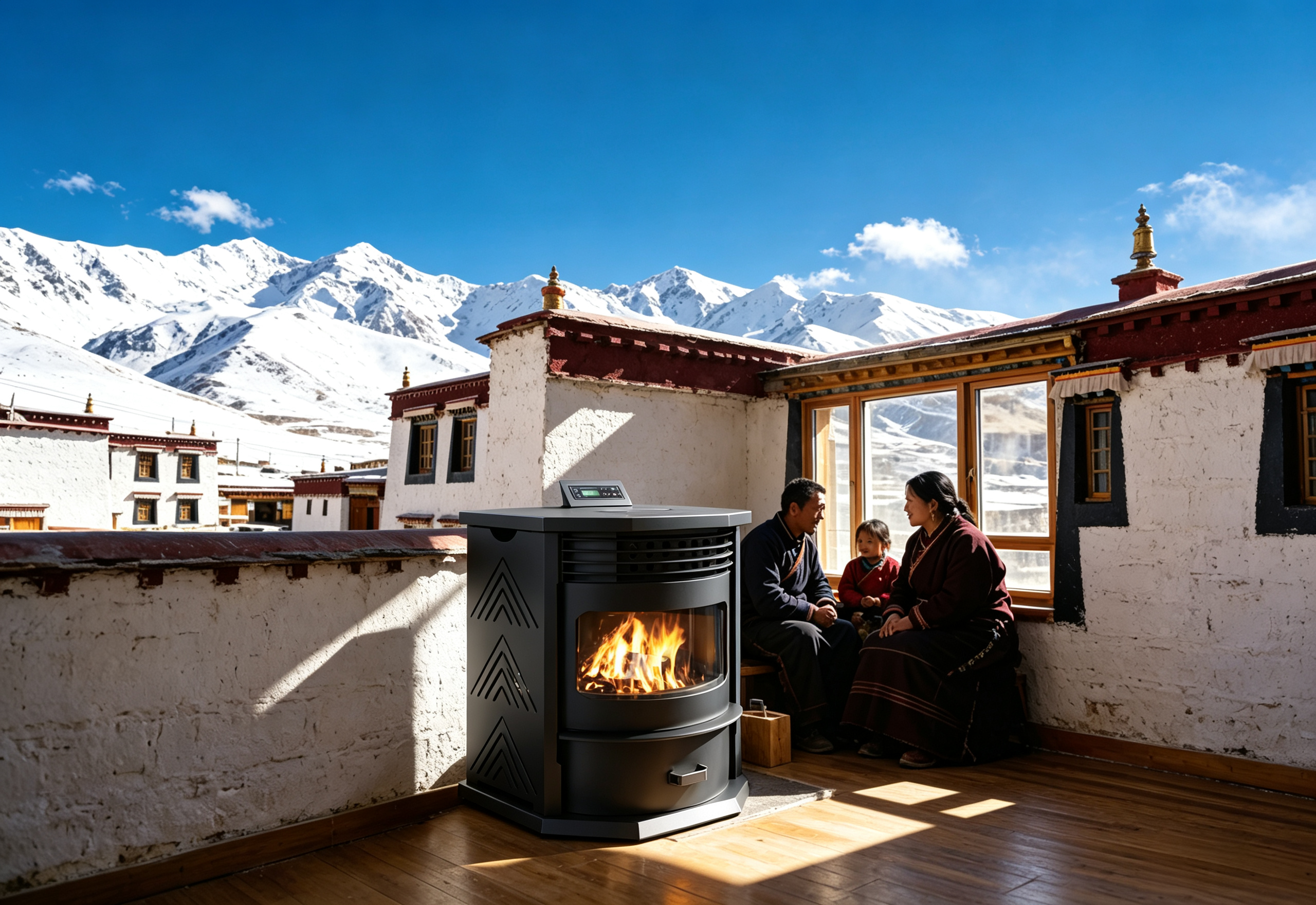
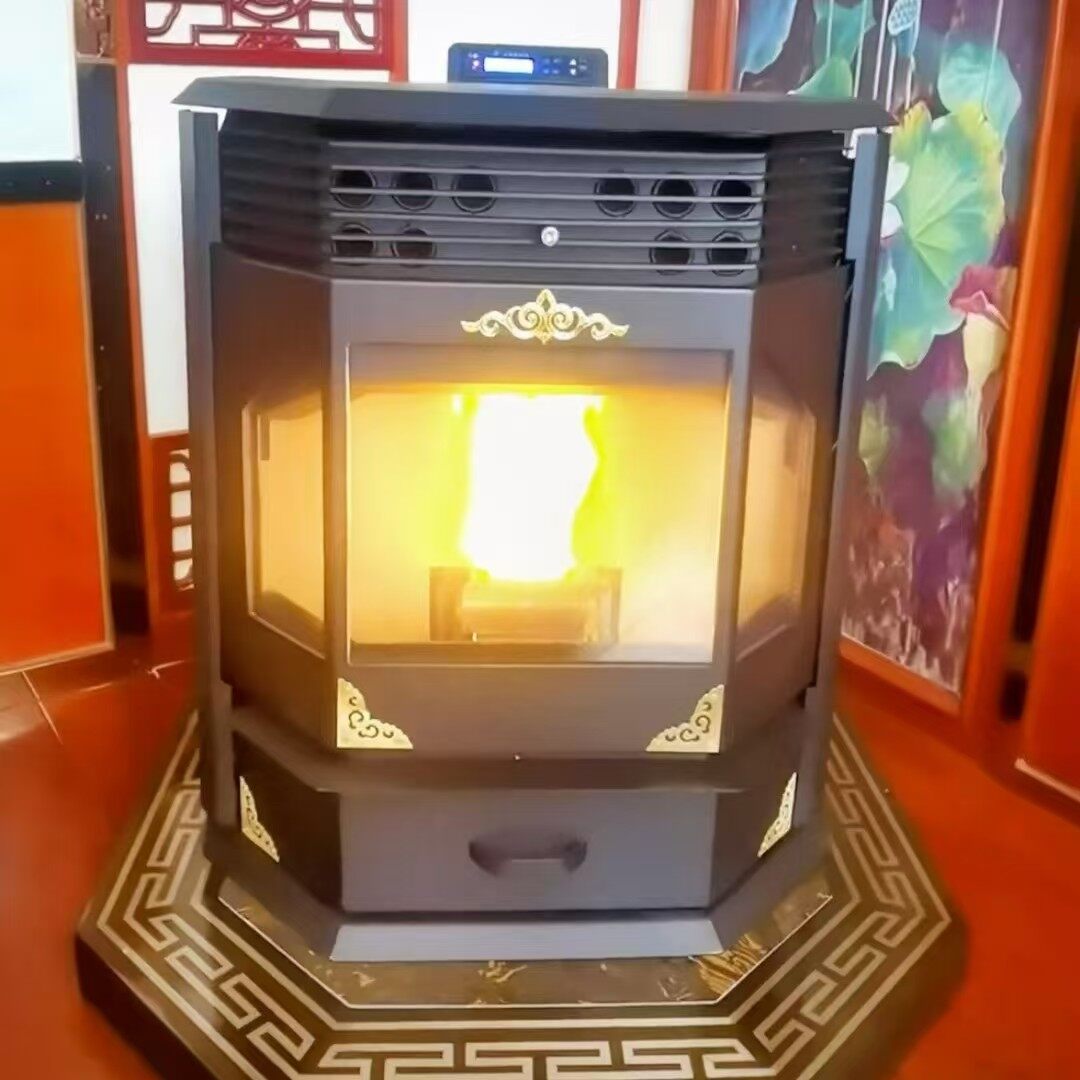
The Fangran A Series European-style fireplace (suitable for 30–150 sqm) and the Y Series round dining heater, both featureMulti-layer Security ProtectionOverload power-off, high-temperature auto-lock, flame-out fuel cutoff, and leakage protection ensure safety for homes with seniors and children. With a maximum thermal efficiency of 85%, it covers the ideal residential heating range of 80~150 m².
For ordinary households, it's smarter to switch to a more cost-effective heating solution than to watch your winter electricity bill soar.
This article is for educational purposes. Data is estimated based on industry experience and public information and does not constitute an absolute commitment. Product specifications are subject to Fangran's official statements and contracts.