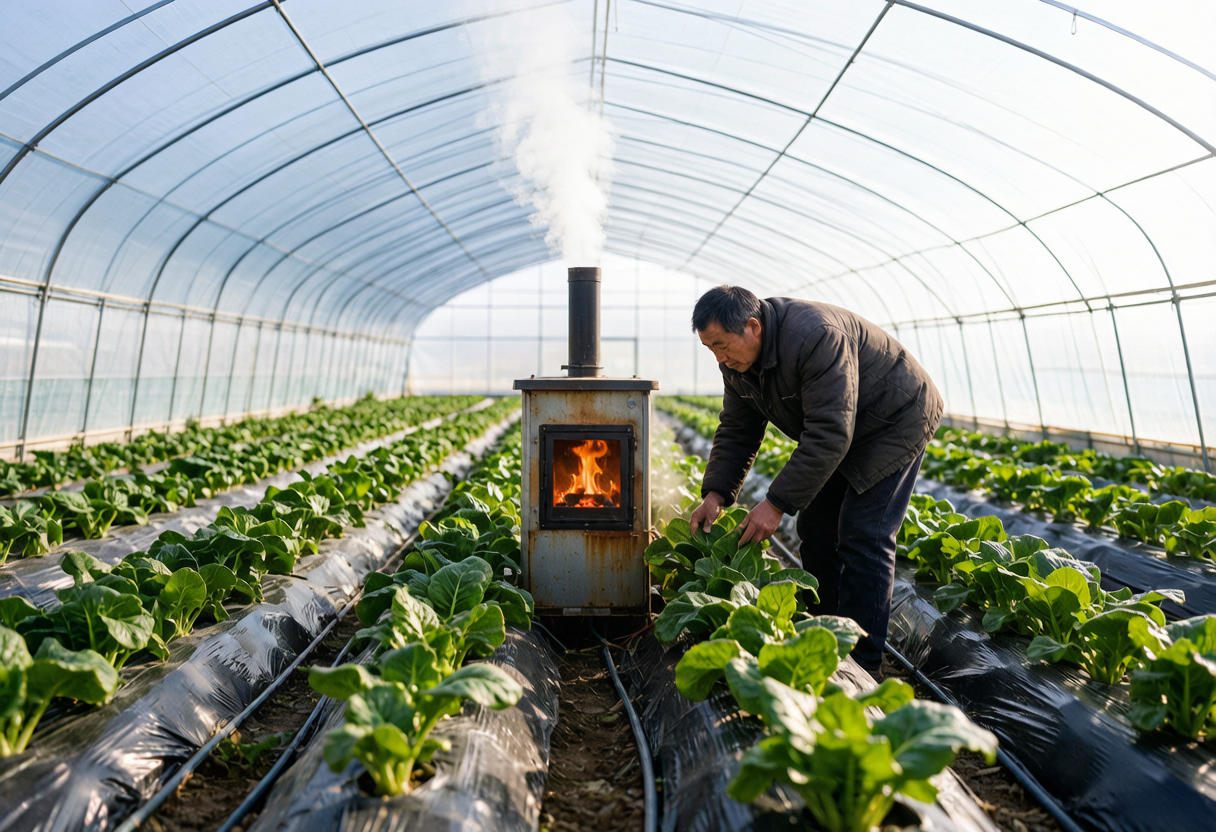
Winter poses a major challenge for greenhouse farming and livestock operations: nighttime temperatures plummet, causing vegetable frost damage and stunted seedling growth. High humidity also triggers outbreaks of gray mold and downy mildew. Traditional solutions are either too costly (electric heating) or prohibited (coal burning). Is there a cost-effective solution that offers dual functionality? Yes—the biomass air heater.
Three Essentials for Overwintering Greenhouses
Keep WarmMaintain minimum crop growth temperatures at night to prevent frost damage.
Dehumidify: Reduce greenhouse humidity and suppress diseases
Nursery / DryingMaintain constant temperature for early spring seedling raising; promptly dry harvested fruits, vegetables, tobacco leaves, and medicinal herbs.
Electric air heaters heat up slowly and are expensive to run; coal furnaces cause heavy pollution and are banned in many areas. Farmers truly need:Fast heating, low cost, and effective drying.。
II. How the Fangran F Series Warm Air Heater Solves Problems
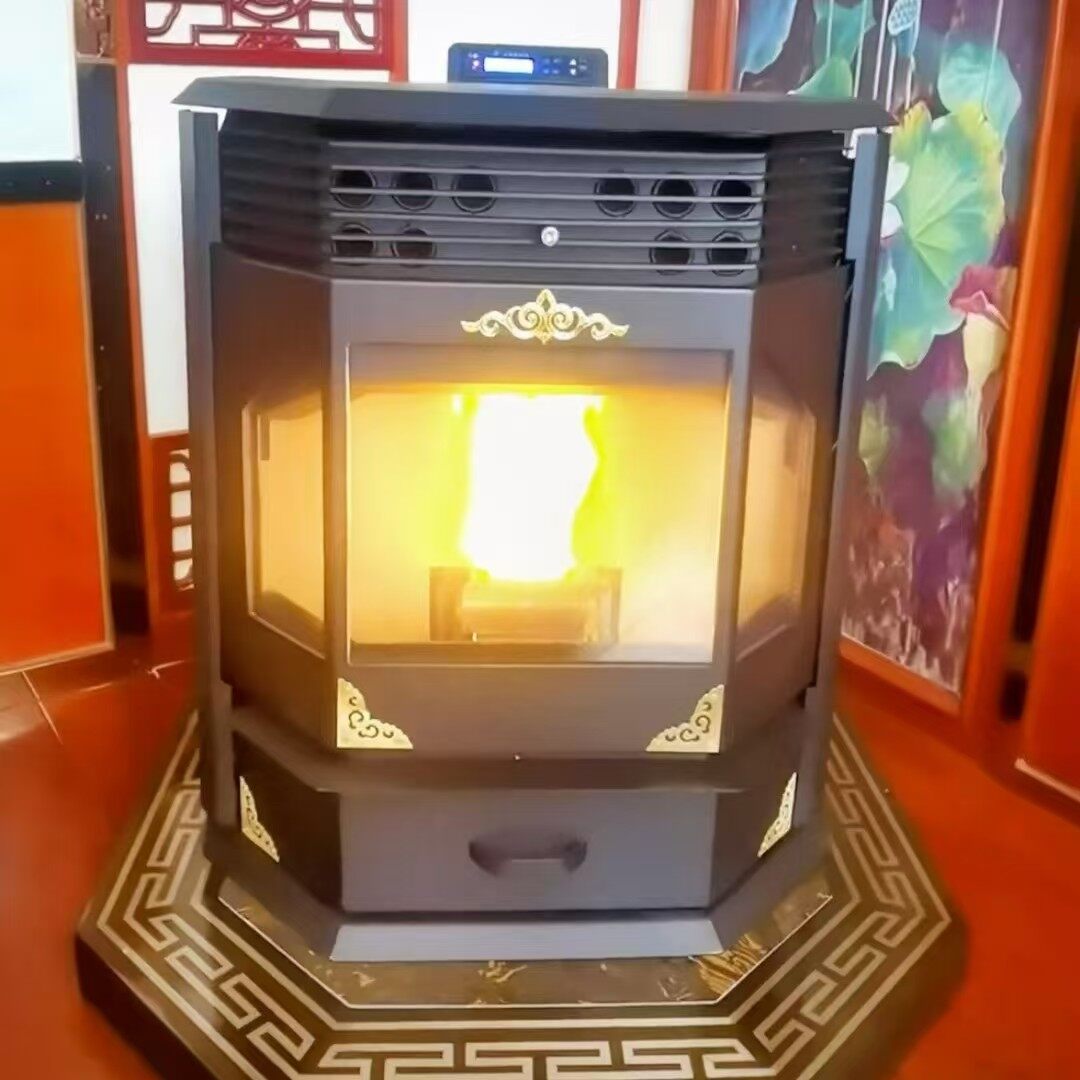
Fits Fangran F Series Warm Air Heater300~800㎡, featuring two key terms:Rapid heating + all-in-one drying and warming。
Direct hot air for fast heatingHot air generated by combustion is blown directly into the greenhouse by a fan, heating it up much faster than water-based boiler systems. Ideal for scenarios requiring rapid temperature increases, such as emergency heating during cold snaps at night.
Heating and dehumidifying simultaneouslyAir circulation removes excess moisture from the greenhouse, lowers relative humidity, and suppresses high-humidity diseases more effectively than simply "trapping heat."
One unit, two functions: heating + dryingOne device, year-round use: heats greenhouses and livestock barns in winter; switches to drying mode during harvest for fruits, vegetables, tobacco, and medicinal herbs. No downtime all year.
3. Cost Breakdown: Why It Saves More Than Electric Heating
Agricultural facilities cover large areas and require heating for extended periods, making electric heating costs prohibitively high. Biomass pellet fuel offers a low-cost alternative (approximately 300 CNY/ton), with heat generation costs roughly half that of electricity. For a single greenhouse or livestock barn, this can yield significant energy savings over a winter season. For planting cooperatives and large-scale farming operations, the long-term cost savings typically allow for full return on investment within just a few years.
4. Beyond Greenhouses: Full-Scenario Agricultural Heating
Vegetable and Mushroom GreenhousesOverwintering insulation, dehumidification, and seedling propagation
Livestock and Poultry FarmingHeating for pigsties, coops, and cattle/sheep barns in winter to reduce disease and weight loss.
DryingInitial processing and drying of tobacco leaves, fruits and vegetables, Sichuan peppercorns, and medicinal herbs at the source.
S-Series Hydronic Boilers: Larger coverage area (130~500 m²) for whole-home hydronic heating + domestic hot water. Ideal for livestock farms and processing workshops.
5. Fangran: The Confidence Behind Agricultural Users
Fangran Intelligent Pellet Stove Offers the Highest Thermal Efficiency85%Exceeds national emission standards; multiple safety protections ensure stable operation. Crucially, Fangran can integrate withGovernment and enterprise drying projects; agricultural coal pollution control initiatives— If you're working on cooperatives, rural revitalization projects, or agricultural engineering, this "heating + drying" solution can be directly integrated into your project.
Farming depends on the weather, but you can control your heating.
This article is for technical education only. Product specifications and project cooperation terms are subject to Fangran's official statements and contracts. Specific solutions require on-site calculations based on shed area and insulation conditions.