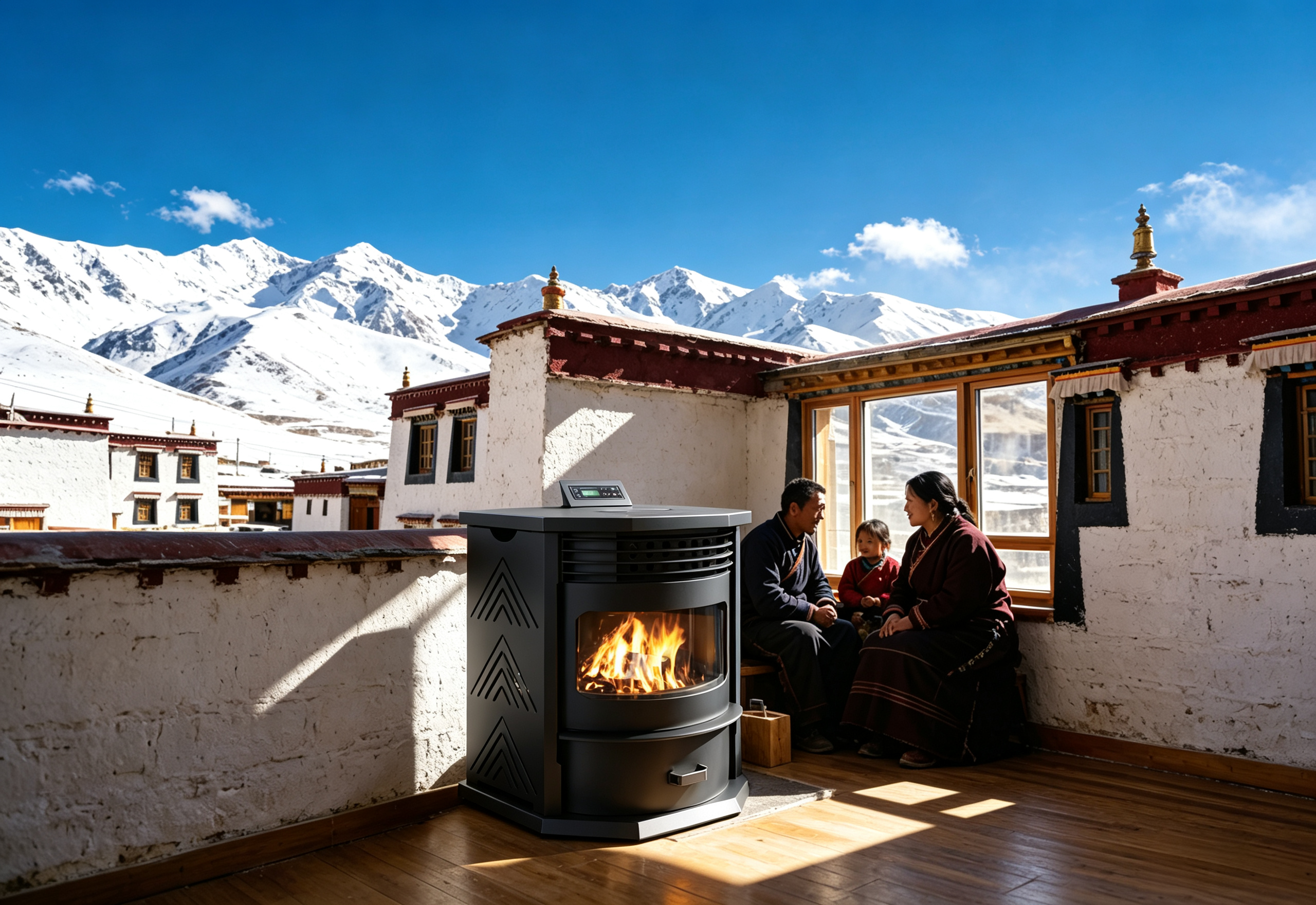
Heating in Tibet, Ganzi, Aba, and Shangri-La at altitudes of 3,000–4,000 meters is a major challenge. Many stoves that work well on the plains struggle at high altitude: they fail to ignite, burn weakly, or emit black smoke. What causes this, and how do you choose the right one?
Three Major Challenges to Heating on the Plateau
Hypoxia: For every 1000 meters of elevation, the partial pressure of oxygen in the air drops by approximately 10%. At 4000 meters, oxygen levels are only about 60% of those at sea level. Conventional combustion equipment has fixed air supply settings; insufficient oxygen prevents complete fuel combustion.
Low Voltage, Low TemperatureLow air pressure lowers water's boiling point and reduces flame temperature. Combined with extreme cold at -20°C, starting the equipment and igniting it become more difficult.
Incomplete combustionOxygen deficiency + mismatched air supply = elevated CO levels, low thermal efficiency, and poor emissions—cold and unsafe.
When choosing a stove for high-altitude areas, don't just look at the "rated power"—you need to consider this:Is it specifically designed for low-oxygen environments?。
II. How Tibetan Plateau Stoves "Tame" Low Oxygen
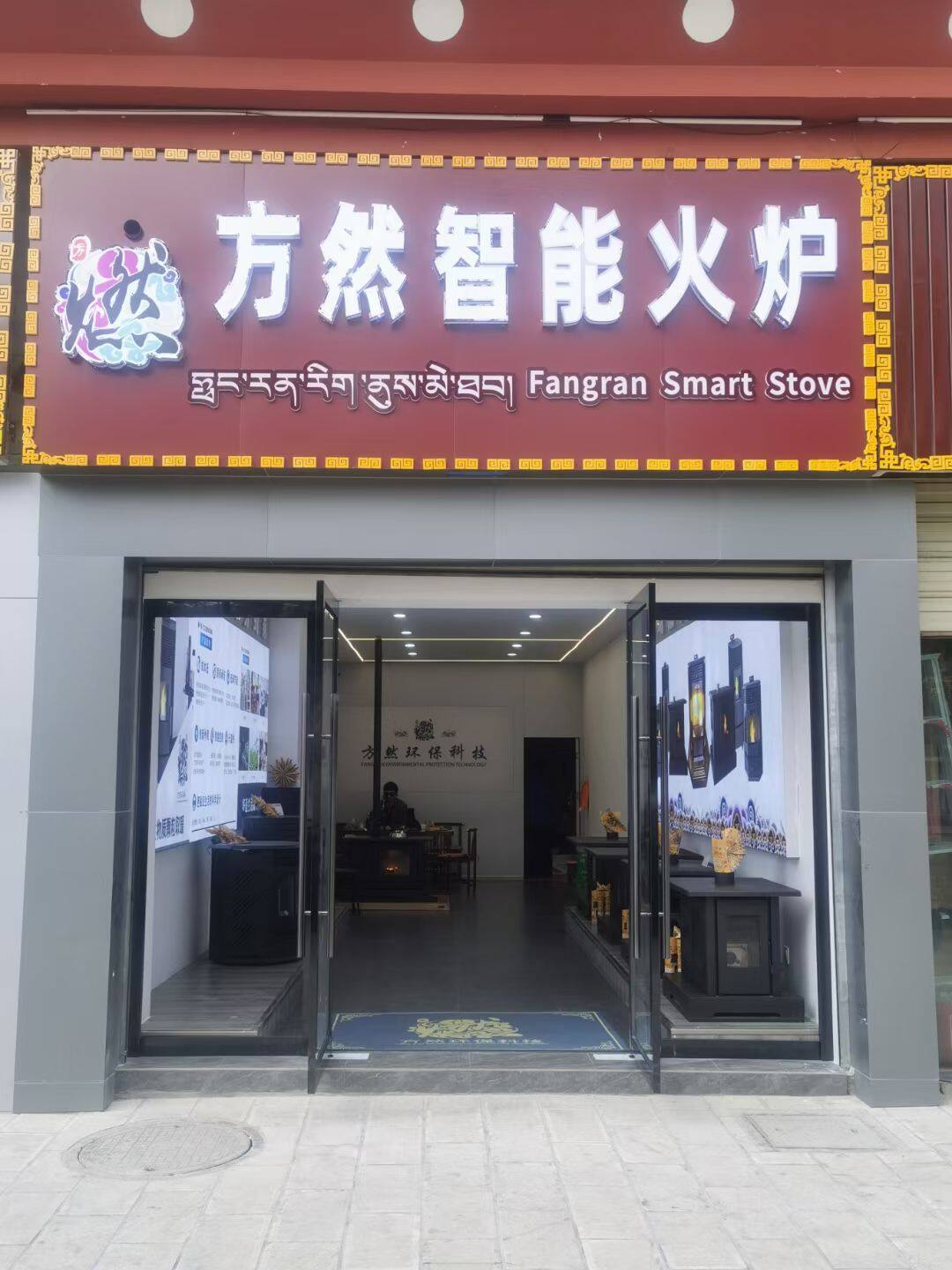
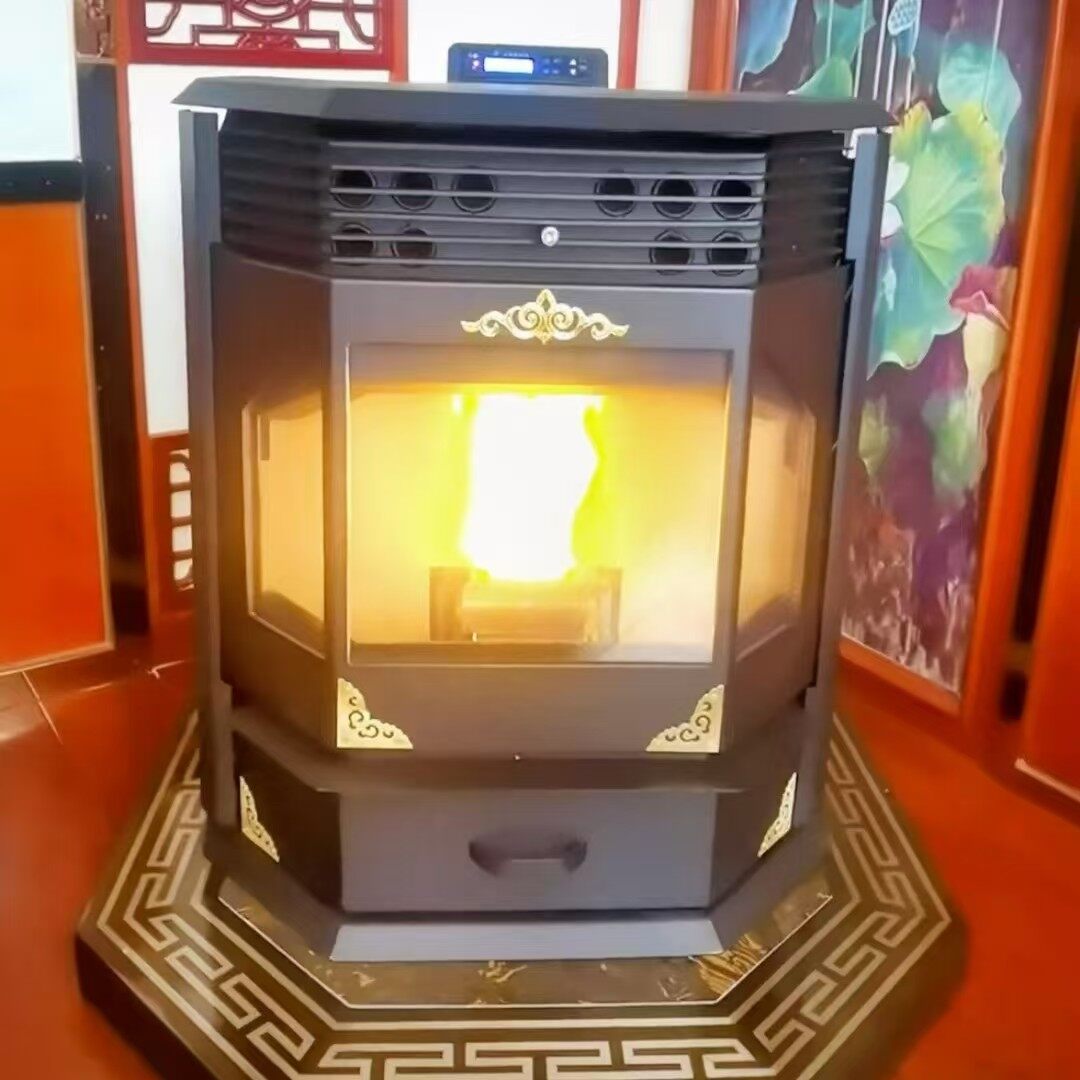
Fangran Z Series Tibetan Plateau Stove, designed specifically for altitudes between 0 and 4500 meters, features a core systemAdaptive Combustion System:
Negative-pressure combustion with staged air supplyMaintains a slight negative pressure in the furnace and automatically adjusts the primary-to-secondary air ratio based on real-time oxygen levels. Increases airflow when oxygen is low and precisely matches supply when sufficient, ensuring reliable combustion at all altitudes.
Partial Gasification CombustionParticles first enter the oxygen-deprived preheating zone, where thermal cracking releases combustible gases. These gases then mix with secondary air and burn completely in the combustion chamber. This approach tolerates oxygen fluctuations far better than direct open-flame combustion, maintaining stable ignition even under low-oxygen conditions.
Precision auger feeding + PID temperature controlThe variable-speed auger feeds fuel steadily at the set temperature, eliminating the "overheating followed by flameout" cycle. This ensures smooth output and reduces fuel waste.
Cold-resistant designThe entire unit is calibrated for normal operation at temperatures above 20°C. The ignition and heat exchange systems are optimized for low-temperature conditions, ensuring instant warmth even in high-altitude winter environments.
Technically, such products are based onNB/T 34006-2020 "Technical Conditions for Clean Heating Stoves"、NB/T 34007-2012 "General Technical Conditions for Biomass Cooking and Heating Stoves"meets standards, with a maximum thermal efficiency of 85% and emissions below national limits.
3. Beyond warmth: designed for use
Tibetan households have a dual need for stoves: heating and cooking. Z Series Tibetan Plateau StoveDual-purpose for cooking and diningThe top surface is designed for boiling water and cooking. One unit does the work of two, saving both space and fuel. For rural homes in remote areas or pastoral regions, this stove can meet all your heating and cooking needs throughout the winter.
4. Multi-layered security for peace of mind, even at high altitudes
The high plateau is already oxygen-deficient; safety cannot be compromised. Full system configurationMulti-layer Security ProtectionOverload power cut, high-temperature auto-lock, flameout fuel cutoff, and leakage protection. Remote troubleshooting for common issues is supported, backed by responsive after-sales service—giving peace of mind to users in pastoral and mountainous areas.
This article is for technical education. Product specifications are subject to Fangran's official documentation and contract terms.